
12·
1 day ago“Silk has evolved independently many times, with at least 23 separate origins in insects alone,” Wasserman explained, including ants, bees, and wasps.
TIL. oO
Founder of European Graphic Novels, Aug '23 on Lemm.ee.
« On se repose d’un effort en s’en livrant à un autre. » Cela vaut aussi pour la gestion de la douleur chronique, comme je l’ai découvert…
“Silk has evolved independently many times, with at least 23 separate origins in insects alone,” Wasserman explained, including ants, bees, and wasps.
TIL. oO

White beans are underestimate, tell you hwat…!!

Good points. I’ve heard borderline horror-stories from expats trying to find Euro-style or authentic whole-grain bread in Japan, in particular.
And yeah, here in the States it seems a lot more common to deep-fry tofu, which is health-wise arguably a much worse way to consume it than it’s usually made in EA. Actually one of the reasons I love air-fryers is that they offer something of a healthier compromise, with much less oil typically required.
Carbs are sugars. Just more complex than simple sugars. That’s why carb-rich diets can still be terrible on health over time, regularly messing with glycemic load and constituting ‘empty calories.’ So, even worse than a pre-diabetic source, as I mentioned.
I’d recommend you do a modern nutrition course to catch up on this stuff, because science & nutrition is way past the simple idea of calories-in / calories-out. The fact is that the FORM of the calories matter hugely, with processed foods in general being pretty bad on health, long-term. These are what the studies collectively say.
As someone who’s studied and regularly thought about nutrition for years, I definitely see junk food being a significant problem in East Asia, just as with other parts of the world.

Speaking of applying logic, that’s what we typically do through science studies, which consistently show that other animals experience emotion and self-awareness to far higher degrees than previously understood.
asking about one’s character and goals, is likely unique to humans in my view.
I agree that modern man likely has the most articulated language that’s ever existed on earth, which is a big part of that. But would hunter-gatherers have asked themselves about their ‘character and goals’ as part of their regular life? I don’t know that such would be the case especially more than other humans or apes did or do. That said, keeping a nomadic, tool-using tribe going arguably would have required more of that than at any other level of organisation.
Which again suggests to me that a big part of that impetus comes from the level of civilisation I described. I think that’s really what you’re thinking of. Which hardly correlates to our genes at all.
I’m not aware of any evidence to suggest that many living animals aren’t highly self-aware. What is it that you think separates humans so decisively?
Now if you talk about this late-stage, high-tech, message-dense civilisation being responsible for much of that, then I agree, but I’d also point out that it’s a recent construction. Genetically we’re still the same as our hunter-gatherer ancestors, who had none of that stuff.
So what would make those humans from about 6K - 12Kyrs so unique compared to other animals…?
Also, I’d say self-awareness is an ancient concept going back many millions of years at the very least.
We humans tend to think of ourselves as unique among animals, but we are arguably share almost all of our internals and concepts with other animals.

Kinda yeah. These aren’t natural sources:
Metal pollution is a widespread issue, typically concentrated near industrial centres, mining areas and towns and cities. It can also be carried to rural areas in the air or through the use of sewage sludge, agrochemicals and fertilisers, for example.
When bees are foraging for food, they can inadvertently collect metals from their environment through exposure to contaminated soil, dust and pollen. Even at low concentrations, certain metals can be toxic, for example impairing learning and memory, which may affect foraging efficiency and navigation. Metals have been linked to reduced reproductive success, leading to fewer offspring and disrupting brood development.
Never heard of 'em, but bonne chance…?
Uh… BEL because of Tintin et al.
FRA because of BD, and just being a Francophile in general.

As a huge fan of Campbell’s work, I want to hate you with the hate of 10K suns! And yet, reality is reality. Science is what it is IMO, and if I’m wrong, then I’m wrong. (oof)
That said, however, I wonder if the alleged ‘takedowns’ of Campbell’s work aren’t a bit invested upon the desire to believe. And one thing that I know for sure, however wrong Joe could arguably be about this or that, he was also absolutely correct upon a bunch of other stuff. About our Naked Ape chronic desire to believe, and the way we all tend to invent shockingly similar mythos. In order to meet the needs of our chronic insecurity, that is, and we are absolutely LOADED with such insecurities.
So as I see it, you can tear down Campbell’s work upon this or that angle, and yet it would be a fool’s errand to try to erase his main point, and he has many of those, after all…

I have a terminal disease, with my focus & energy being pretty much the first things impacted. I did appreciate a couple folks above who seemed to be in the know doing their best to explain, which wound up opening the conversation for others.
So… just sayin’ that, too.
Thank you!
And IMO that would be an exceedingly strange takeaway as I see it in general, pigeons being some classic Pavlovian-exhibiting animals as it were. So then, perhaps what’s being suggested here is that they’re more exploratory and exhibit much more free will and unpredictability than previously imagined…?
Or something like that?
TL;DR…?
“Healthy alternative.” oO

Oh, snap, that sound great.
Would have made a world of difference for me, and I guess loads of kids in the 90’s.
Make sure it includes his sausage fingers so I can tell it’s him!
With games like this, my experience is that after a while you tune out the quirks and annoyances and just enjoy the game. Hopefully that happens for you, and sorry if I came off too negative, above.
It’s a turn based strategy game, I expect it to be slow. 🤷
I’m at an age where I’ve been playing them forever, so actually I pretty-much stick to only fast turn-based strategy games, with little or no backstory. The webgame “Compact Conflict” would be an example.


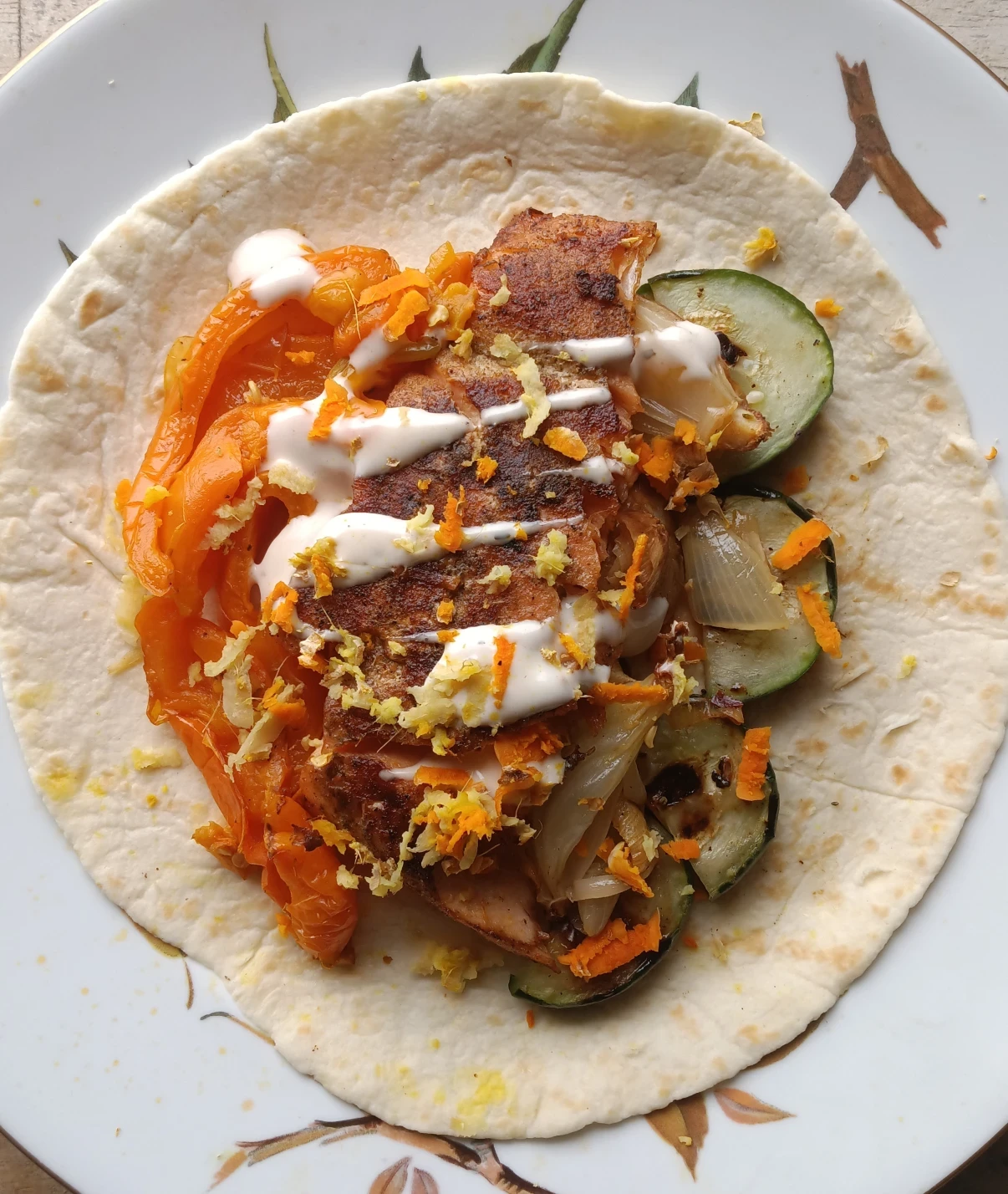
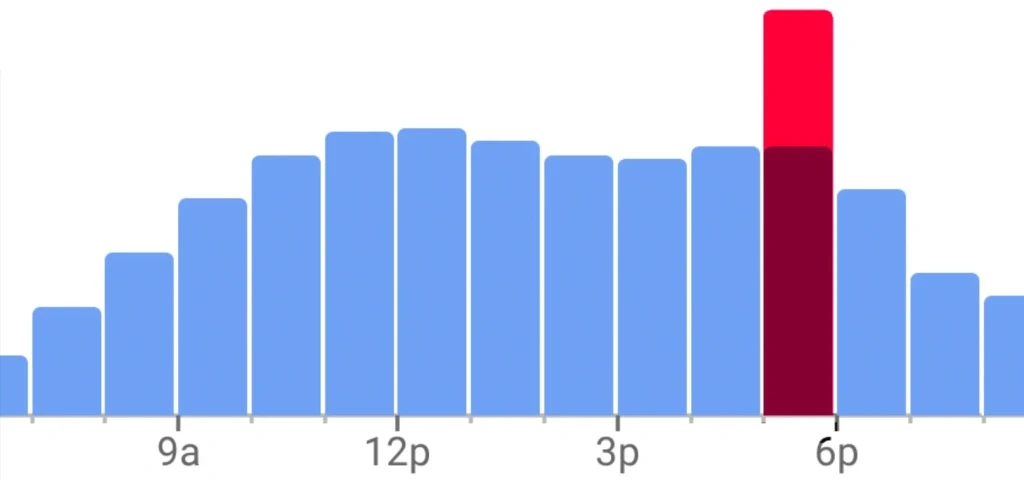
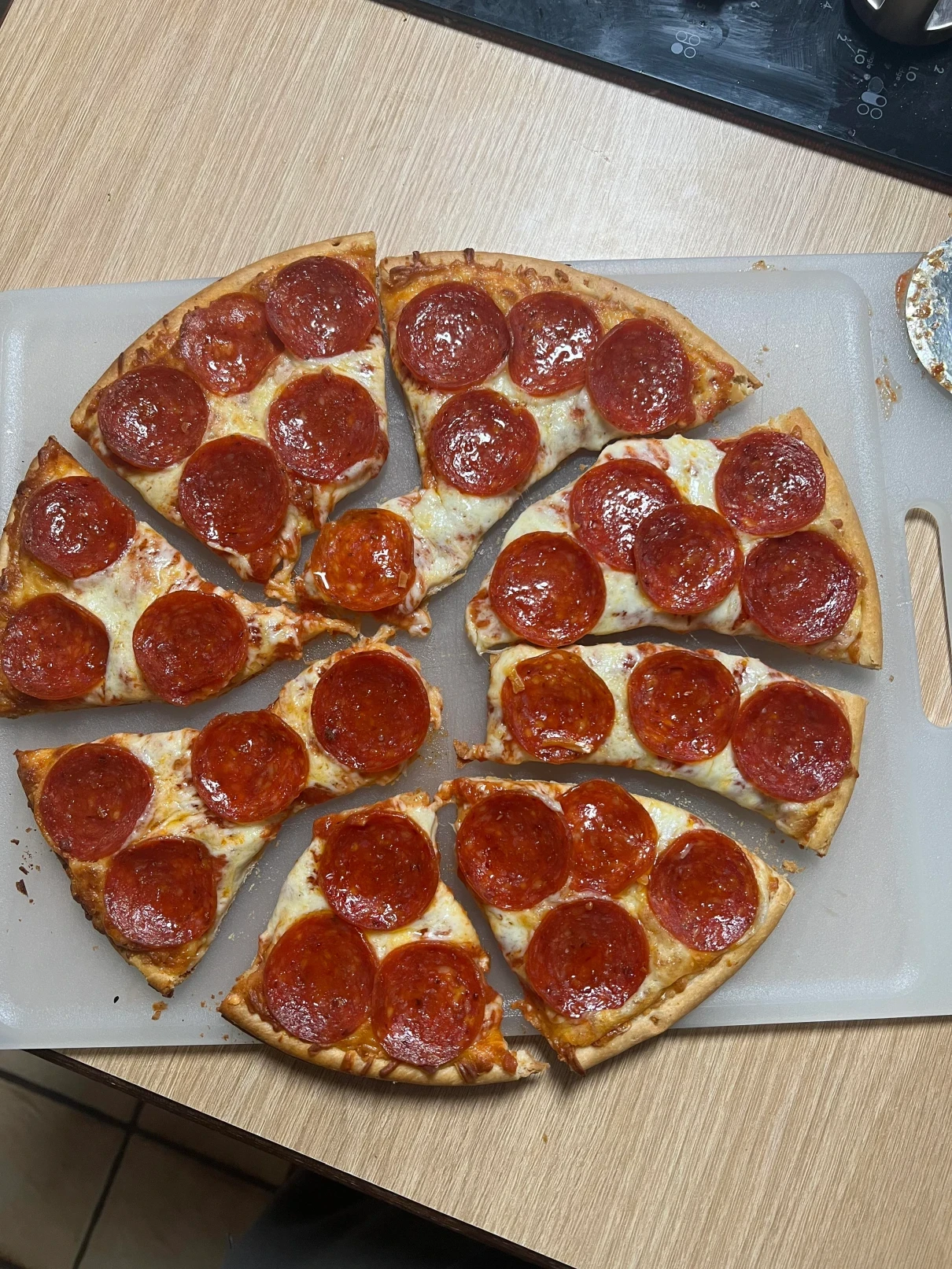






In my headcanon this unfortunately only works when OP’s nephew physically snatches his phone and quickly snaps a pic!
BACKSTORY: OP doesn’t quite realise how that works, however, and thinks it’s a good idea to start teaching the lad some simple picture-taking tips. Oddly, these don’t seem to help whatsoever, and more tips inexplicably lead to worse and worse results. Turns out, it’s only when the elements of theft and surprise are involved that these little masterpieces are created. :D
(there’s a webcomic in there somewhere, haha)
Anyway, you got me thinking about kids’ art and I just kinda riffed. Indeed, I dearly love kids’ art because of how it breaks so many rules and often still comes out rather fascinating…